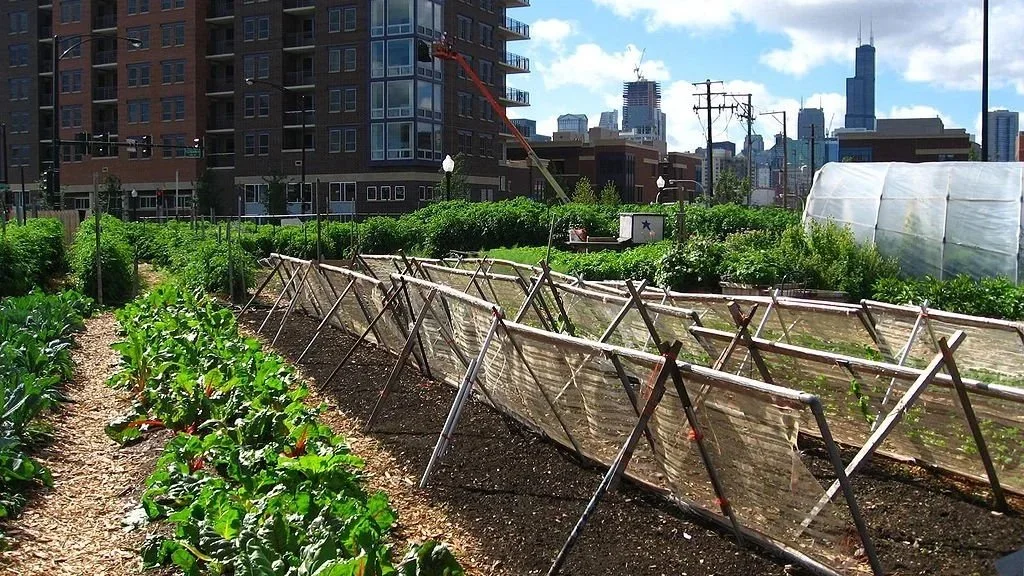
When Business as Usual Fails: The Case of Urban Agriculture in Detroit
Development strategies that prioritize large-scale investment projects in under-resourced communities as a means of driving job creation and economic growth are popular among both policymakers and entrepreneurs. But despite their frequent use, these “business-as-usual” practices often fail in terms of achieving their economic development potential and may even further contribute to the social or environmental issues they were intended to address. This is especially true in the case of the urban agriculture market in Detroit – a moral market led by Black activists focused on Black self-determination through redevelopment of the city’s food system. In this paper, we explore how business-as-usual development strategies and practices can fail in the context of moral markets. Drawing on prior research and the case of Detroit’s urban agriculture market, we offer recommendations for both policymakers and entrepreneurs interested in furthering the development of moral markets. We conclude with a discussion of how our approach demonstrates the utility of institutional theory in practice.
With Robert David (McGill University)